15 Tips To Prevent Hair Loss Before It Starts
Most avoidable hair damage doesn’t come from one dramatic mistake. It comes from small daily habits that add up over months, things like brushing too roughly, tying hair too tight, or skipping meals that actually support hair growth.
The good news is that once you notice these habits, most of them are easy to adjust without buying anything expensive.
This article walks through fifteen practical changes that support healthier hair over time, along with a few honest notes about when everyday habits aren’t enough and it’s worth talking to a professional instead.
What Actually Causes Hair Shedding In The First Place?
Before jumping into fixes, it helps to know what you’re actually working against. Hair shedding usually traces back to a mix of the following:
- Rough hair handling
- Nutrition gaps
- Hormonal shifts
- Stress or poor sleep
- Chemical treatments
- Genetics
- Medications or conditions
- Natural aging
Some of these, like genetics or hormonal changes, aren’t things a routine can fully control. But habits, nutrition, stress, and product choices are areas where small daily adjustments genuinely add up, which is exactly what the fifteen tips below focus on.
Can you really prevent hair loss before it starts?
Not entirely, but you can reduce a lot of the damage that happens from avoidable causes. Genetics, hormones, and certain medical conditions play a role that daily habits alone can’t fully control.
What these tips can do is protect the hair you already have from unnecessary breakage and support the conditions your scalp needs to keep growing healthy strands. If shedding feels sudden, severe, or comes with other symptoms, that’s a different situation worth discussing with a dermatologist rather than something to solve through routine changes alone.
Are You Brushing More Than Your Hair Actually Needs?

Brushing feels productive, but doing it constantly throughout the day does more harm than good. Each pass pulls at strands that are already loose or fragile.
I used to brush my hair every time I passed a mirror, out of habit more than need. Cutting that down to once or twice a day made a noticeable difference in how much came out on the brush.
A wide-tooth comb is gentler than a bristle brush, especially when hair is still slightly damp.
Start Detangling From The Ends, Not The Roots
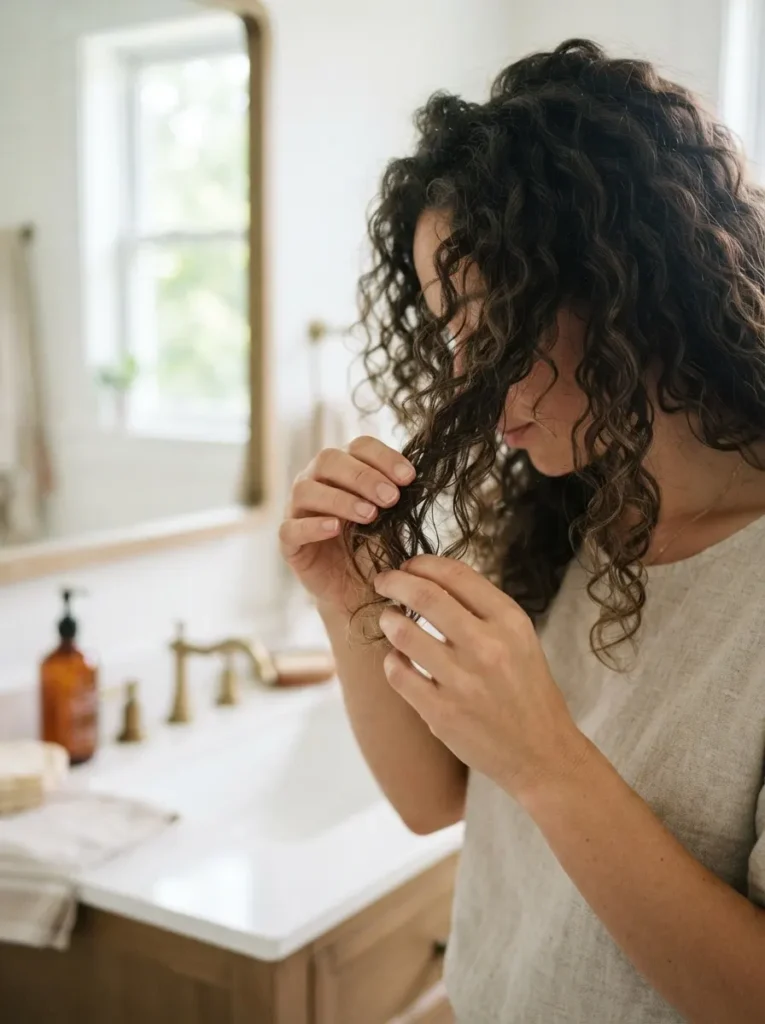
Working through knots from the top down forces the comb to drag through every tangle below it. Starting at the ends and slowly working upward puts far less strain on the scalp.
This takes a little more patience, especially with curly or thick hair. I found it actually saves time overall since I’m not fighting the same stubborn knot for five minutes straight.
A little leave-in conditioner or detangling spray makes the process even easier.
Is Washing Your Hair Too Often A Problem?

It can be, and so can washing it too rarely. Over-washing strips natural oils your scalp needs, while under-washing lets buildup clog the follicles those oils are supposed to reach.
I settled on washing mine every two to three days, which keeps my scalp balanced without feeling greasy or overly dry. Everyone’s timeline looks a little different depending on hair type and activity level.
Pay attention to how your scalp actually feels rather than following a strict schedule someone else recommends.
The Towel You’re Using Might Be Working Against You

Regular bath towels have a rougher texture than most people realize, and rubbing wet hair with one creates friction that roughens the hair cuticle. Wet hair is also at its most fragile.
Switching to a microfiber towel or even an old soft cotton t-shirt makes a real difference. Pat gently instead of rubbing, and let the rest air dry when you can.
This one small swap costs almost nothing and takes no extra time.
Does Heat Styling Actually Damage Hair That Much?
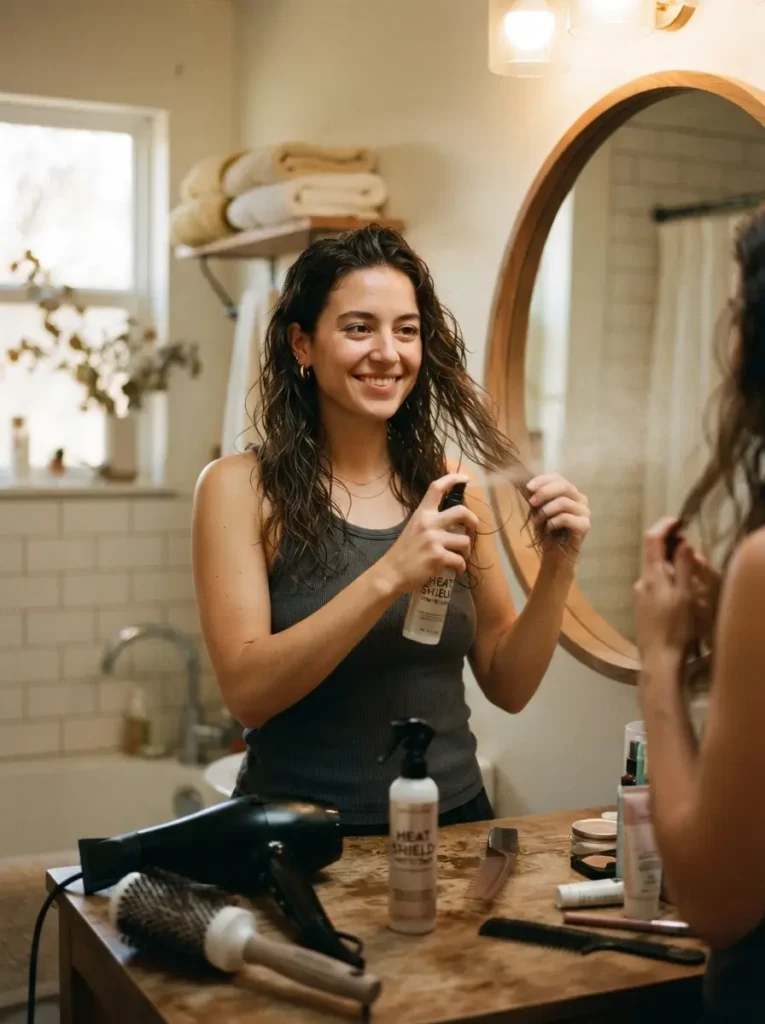
Yes, repeated heat exposure without protection gradually weakens the protein structure inside each strand, leading to dryness and breakage over time. This doesn’t mean giving up styling tools entirely.
I always use a heat protectant spray before blow-drying or straightening, even on lower heat settings. It takes thirty extra seconds and genuinely reduces how brittle my hair feels afterward.
Lowering the temperature setting on your tools also helps more than people expect.
Your Go-To Hairstyle Might Be Too Tight

A high, tight ponytail looks polished, but repeated tension in the same spot day after day can weaken the follicles along your hairline over time. This is sometimes called traction-related thinning.
I switched to wearing looser, lower styles most days and saved tighter looks for occasions rather than daily wear. My scalp genuinely feels less irritated by the end of the day.
Soft scrunchies also cause less breakage than thin elastic bands.
Should You Be Massaging Your Scalp?

It’s worth adding to your routine. Gentle massage increases blood flow to the scalp, which may support the follicles’ access to nutrients over time.
I do this for a few minutes while my conditioner sits in the shower, moving my fingertips in small circles rather than scratching with nails. It’s relaxing enough that it doesn’t feel like an extra chore.
There’s no need for special tools, though a soft scalp massager can make it easier to reach every section evenly.
What You Eat Shows Up In Your Hair Eventually

Hair is made mostly of protein, so a diet consistently low in protein or key nutrients can affect how strong new growth is. This isn’t about one perfect meal, it’s about a consistent pattern over weeks and months.
I try to include eggs, leafy greens, and some kind of healthy fat like avocado most days, without obsessing over it. Small, repeated choices matter more than occasional perfect days.
If you suspect a specific deficiency, a blood test through your doctor is more useful than guessing.
Hydration Affects More Than Just Your Skin

Dehydration affects the whole body, including the scalp’s ability to function properly. It’s an easy factor to overlook since the connection isn’t as obvious as it is with skin.
I keep a water bottle at my desk since I’m far more likely to drink consistently when it’s already in front of me rather than relying on remembering. Small visual reminders work better than willpower alone.
There’s no need to overdo it, just aim for steady intake throughout the day rather than large amounts all at once.
Cotton Pillowcases Might Be Quietly Damaging Your Hair

Cotton fibers create friction against hair while you sleep, especially if you move around a lot at night. Over months, this can lead to more tangles and breakage than people expect from something so passive.
Switching to a silk or satin pillowcase reduces that friction significantly. I noticed less frizz and fewer knots to deal with in the morning after making the change.
A silk scarf or bonnet works just as well if you’d rather keep your existing pillowcase.
Are You Using Too Many Products At Once?

Layering multiple oils, serums, and treatments every single day can overwhelm the scalp rather than help it. Hair and scalp both benefit from some balance, not constant intervention.
I try to give my hair at least a couple of product-free days each week. It genuinely feels lighter and less weighed down afterward.
When you do use treatments, one or two well-chosen products usually work better than five layered together.
Stress Shows Up In Hair More Than People Realize

High stress periods can push more hair follicles into a resting phase than usual, which sometimes shows up as noticeable shedding a few months later. It’s a delayed reaction, which makes the connection easy to miss.
I’ve learned that during genuinely stressful stretches, my hair thins slightly, then recovers once things settle down. Finding something that actually helps you decompress, whether that’s walking, reading, or time with people you trust, matters more than any hair product.
This kind of shedding is usually temporary once the stressful period passes.
.
Sleep Affects Hair Growth More Than You’d Expect

The body repairs and regenerates tissue, including hair follicles, largely during deep sleep. Consistently poor sleep can interfere with that natural repair cycle over time.
I noticed my hair felt healthier during stretches when I was actually getting seven to eight hours consistently, compared to weeks running on much less. It’s not a guaranteed fix, but it’s one more piece of a larger pattern.
Treating sleep as part of a hair care routine, not just a beauty routine, changes how seriously people tend to take it.
Chemical Treatments Deserve More Thought Than They Usually Get

Coloring, relaxing, and keratin treatments can all weaken hair structure, especially when done frequently or combined with heat styling on top. This doesn’t mean avoiding them completely.
I space my own color appointments out further than I used to and always ask my stylist about the specific formula being used. A good stylist will tell you honestly whether your hair needs a break.
If you’re doing any of these treatments at home, following the timing instructions exactly matters more than people assume.
Learn What Normal Shedding Actually Looks Like
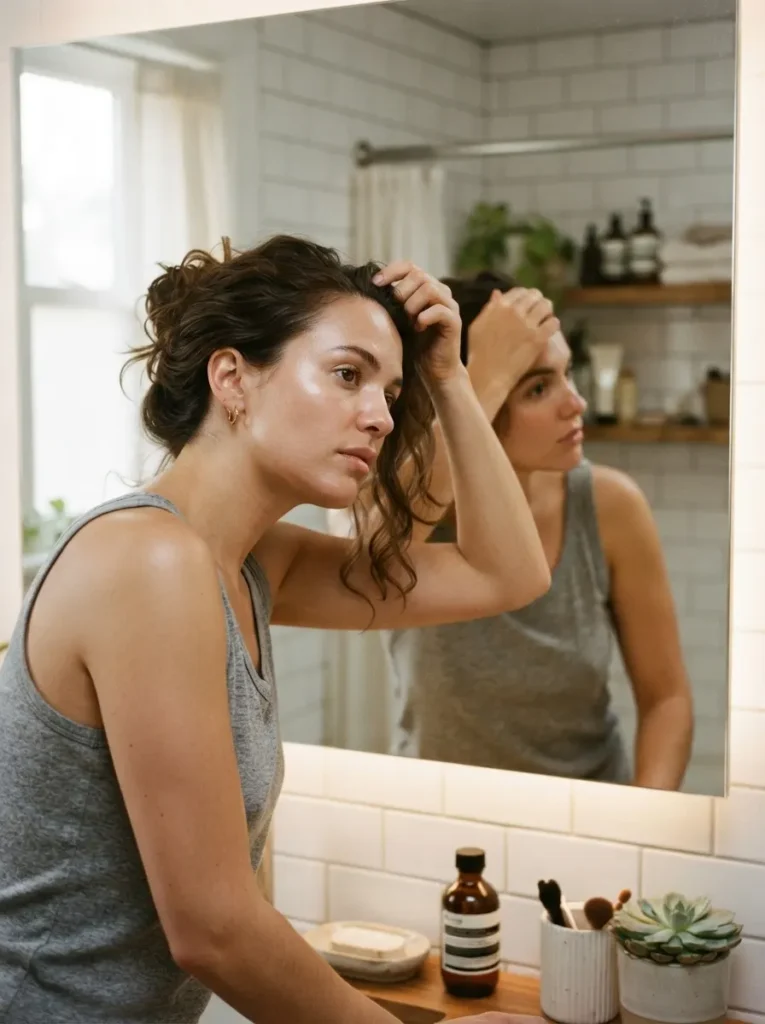
Losing somewhere around fifty to one hundred strands a day is considered typical and usually isn’t cause for concern. The difference between normal shedding and something worth investigating comes down to pattern and amount.
I started paying attention to my hairbrush and shower drain, not to obsess, but just to notice if anything shifted significantly. That awareness alone helped me feel less anxious about normal daily shedding.
If you notice clumps, bald patches, or a sudden dramatic increase, that’s the point to bring it up with a dermatologist rather than trying to manage it alone.
When It’s Time To See A Professional
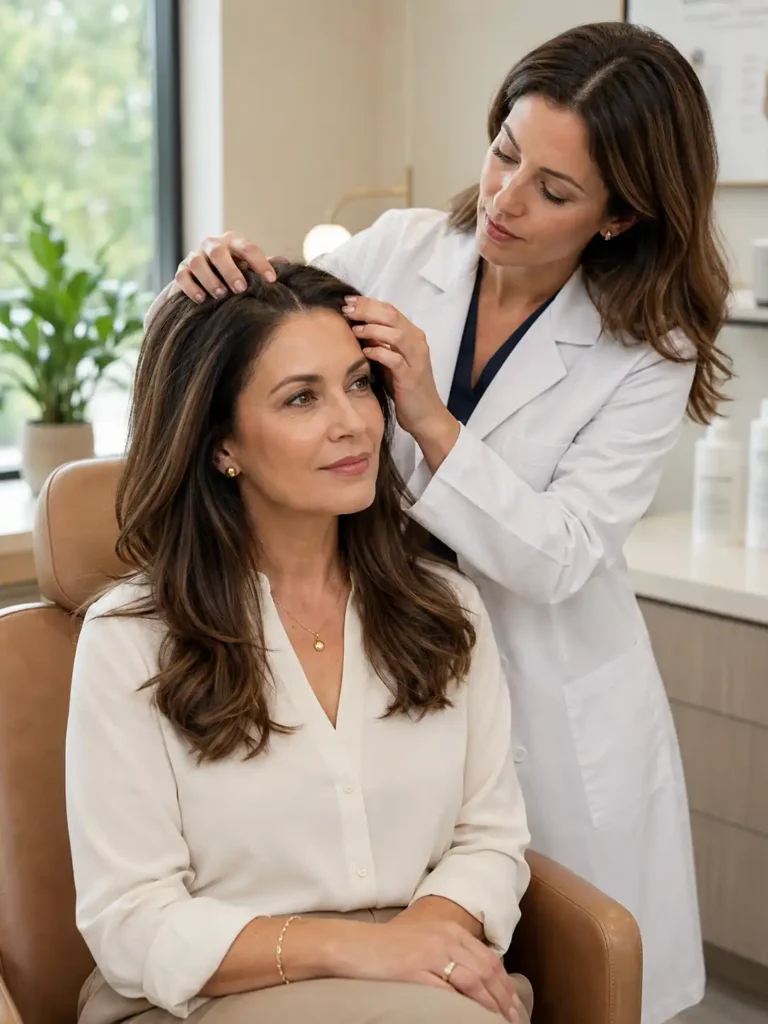
Everyday habits can genuinely help protect the hair you have, but they aren’t a substitute for medical advice when something feels off. Sudden or significant shedding, visible bald patches, persistent thinning that doesn’t improve, or scalp pain and inflammation are all reasons to talk to a dermatologist rather than waiting it out.
Hair loss can stem from hormonal changes, nutritional deficiencies, autoimmune conditions, or genetics, and a professional can actually identify what’s happening rather than guessing from general advice online.
The Simple Habits I’d Start With
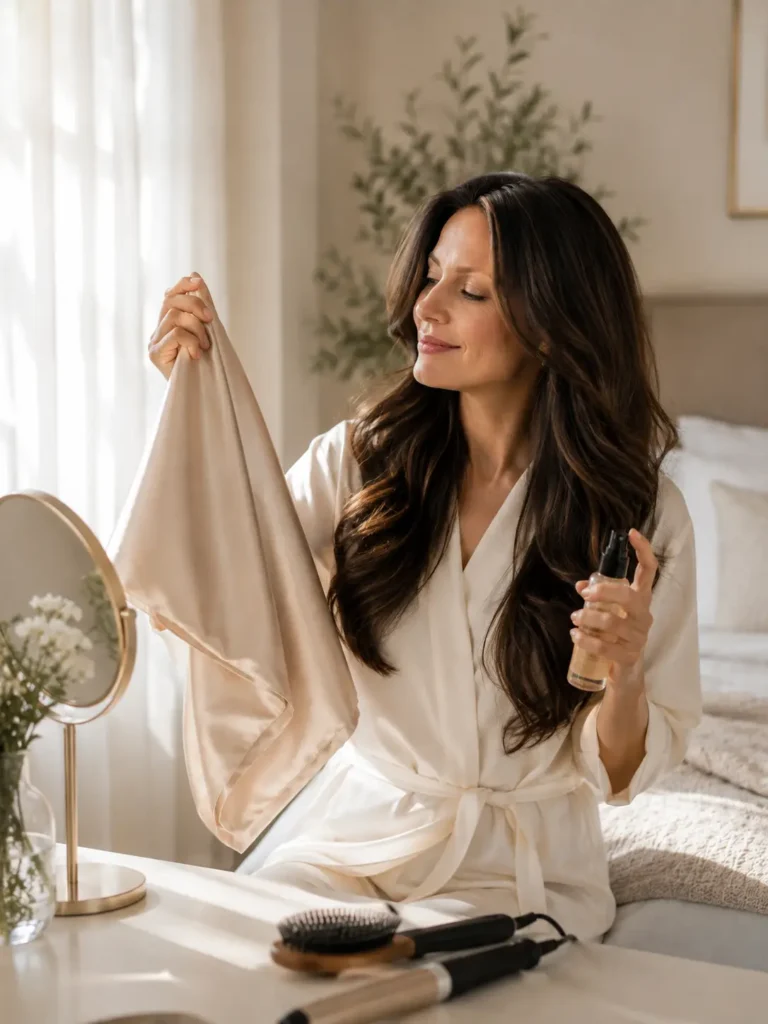
If all fifteen tips feel like too much at once, start small. Switching to a silk pillowcase, using a heat protectant, and loosening your daily hairstyle are three changes that take almost no extra time but add up meaningfully over months.
Pay attention to how your scalp feels rather than following someone else’s exact routine, since hair type and lifestyle vary so much from person to person.
Give any new habit at least a few weeks before expecting to notice a difference. Hair grows slowly, and so does the process of undoing small daily damage.